Stay updated with manufacturing ai news, emerging automation trends, smart factories, predictive maintenance, and AI-driven industrial innovation.
The manufacturing industry is experiencing one of the most significant technological shifts in its history. Artificial intelligence is no longer a futuristic concept reserved for research laboratories or technology companies. Today, it is becoming a practical tool that helps manufacturers improve productivity, reduce costs, enhance quality control, and make smarter business decisions. As a result, manufacturing ai news has become a major topic of interest for business leaders, factory managers, technology experts, and investors worldwide.
The rapid adoption of AI technologies across industrial sectors is changing the way factories operate. From predictive maintenance systems to intelligent robotics and real-time production analytics, manufacturers are discovering new opportunities to increase efficiency while remaining competitive in a challenging global market.
As companies continue to invest in digital transformation, the importance of staying informed about manufacturing ai news continues to grow. Organizations that understand emerging AI trends are often better positioned to adapt to changing market conditions and take advantage of innovative solutions before their competitors.
Why AI Is Becoming Essential in Manufacturing
Artificial intelligence has evolved from an experimental technology into a critical business asset. Manufacturers are increasingly relying on AI-powered systems to analyze massive amounts of production data, identify patterns, and recommend improvements. These capabilities allow organizations to make informed decisions faster than ever before.
One reason AI is gaining momentum is its ability to solve long-standing operational challenges. Traditional manufacturing processes often involve inefficiencies, unexpected equipment failures, and quality issues. AI systems can detect problems before they become costly disruptions, helping businesses save both time and money.
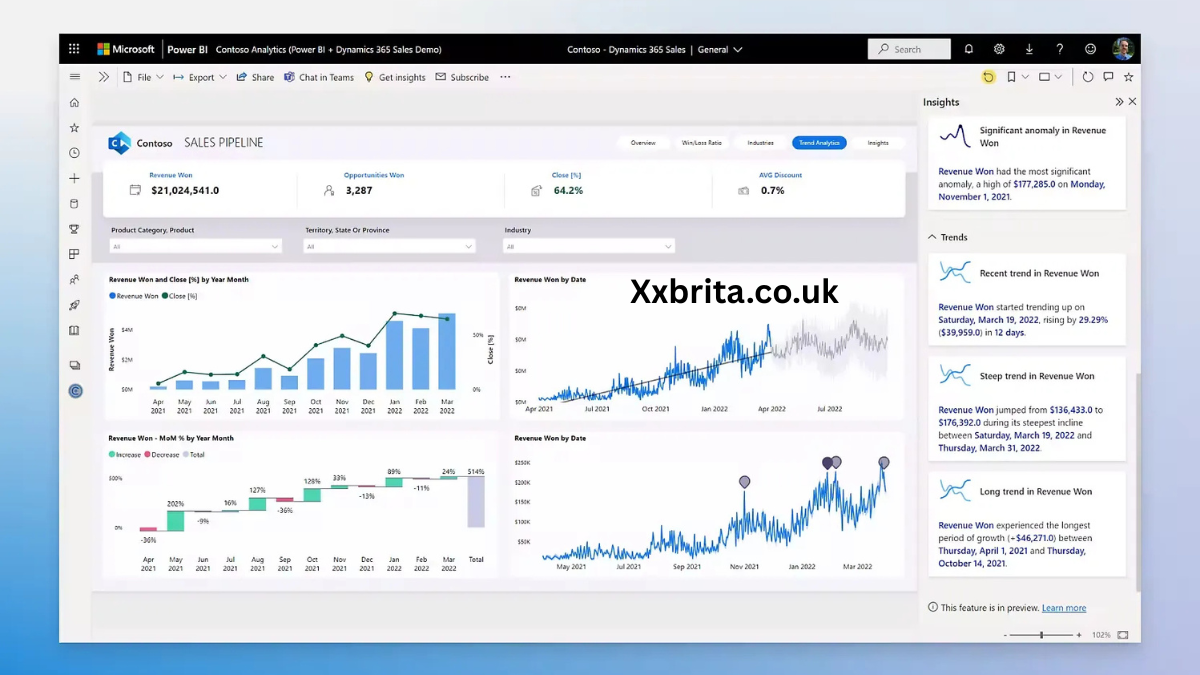
Manufacturers also benefit from enhanced visibility across their operations. AI-driven dashboards provide real-time insights into production performance, inventory levels, and equipment health. This visibility helps managers respond quickly to changing conditions and optimize workflows across multiple facilities.
Recent Developments Shaping the Industry
The latest manufacturing ai news highlights several key developments influencing industrial operations worldwide. Companies are increasingly integrating machine learning algorithms into production lines to improve accuracy and reduce waste. These systems continuously learn from operational data and become more effective over time.
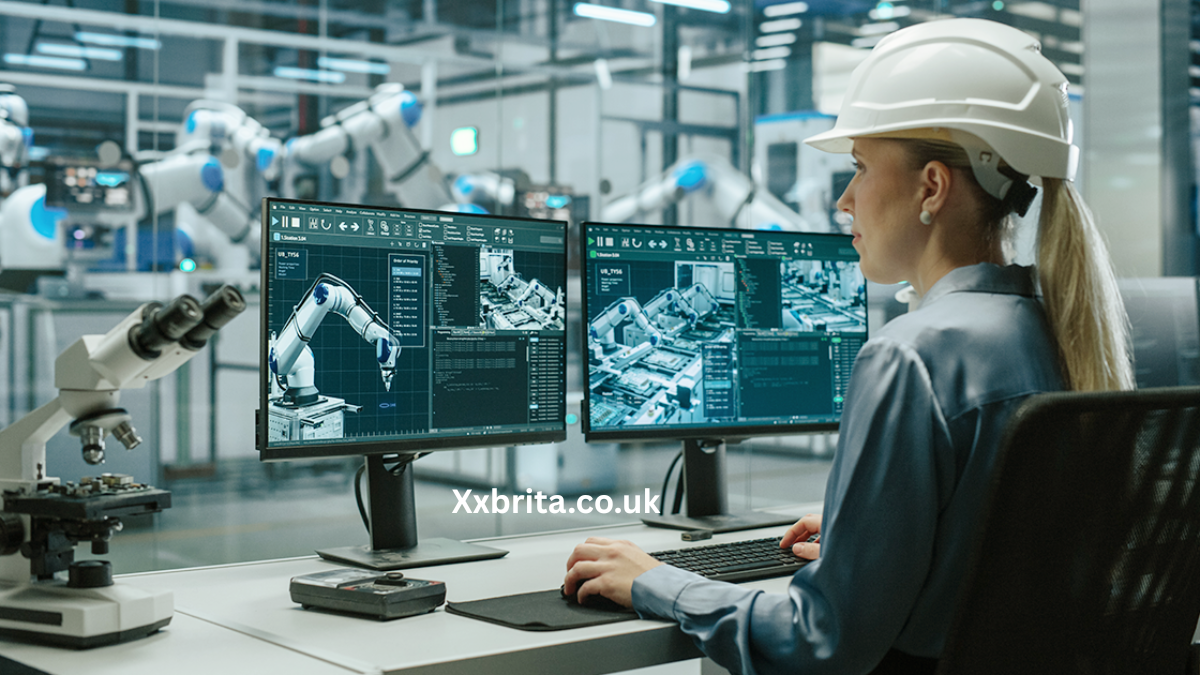
Another major development is the rise of digital twins. A digital twin is a virtual representation of a physical asset or production process. Manufacturers use these digital models to simulate different scenarios, test improvements, and predict outcomes before implementing changes in real-world environments.
Industrial robotics is also evolving rapidly. Modern AI-powered robots can adapt to changing tasks, collaborate safely with human workers, and perform complex activities with remarkable precision. This flexibility is helping manufacturers increase productivity while maintaining high-quality standards.
Key AI Applications in Manufacturing
| AI Application | Primary Benefit | Business Impact |
| Predictive Maintenance | Early fault detection | Reduced downtime |
| Quality Inspection | Defect identification | Improved product quality |
| Supply Chain Optimization | Better forecasting | Lower inventory costs |
| Industrial Robotics | Automated production | Higher productivity |
| Energy Management | Resource optimization | Reduced operational expenses |
| Digital Twins | Process simulation | Faster innovation |
Smart Factories and Industry 4.0
The concept of smart factories has become closely connected with AI adoption. Smart factories use interconnected devices, sensors, cloud computing, and artificial intelligence to create highly efficient production environments. These facilities can monitor operations continuously and make adjustments automatically when necessary.
Industry 4.0 initiatives have accelerated the adoption of intelligent manufacturing technologies. Organizations are investing in connected systems that allow machines, software platforms, and employees to communicate seamlessly. The result is improved operational efficiency and greater flexibility in responding to customer demands.
Smart factories also generate enormous amounts of data. AI systems process this information quickly, transforming raw data into actionable insights. This capability enables manufacturers to identify bottlenecks, improve product quality, and optimize resource utilization across the production cycle.
“Artificial intelligence is not replacing manufacturing expertise; it is enhancing human decision-making with faster and more accurate insights.”
The Role of Predictive Maintenance
One of the most valuable applications highlighted in manufacturing ai news is predictive maintenance. Equipment failures can be extremely costly, leading to production delays, repair expenses, and lost revenue. Traditional maintenance approaches often rely on fixed schedules that may not accurately reflect equipment conditions.
Predictive maintenance uses AI algorithms to analyze sensor data and detect signs of wear or potential failure. By identifying issues early, manufacturers can schedule maintenance activities before breakdowns occur. This proactive approach minimizes downtime and extends equipment lifespan.
The financial benefits can be substantial. Many organizations report significant reductions in maintenance costs while simultaneously improving equipment reliability. As AI models become more sophisticated, predictive maintenance is expected to become a standard practice across industrial sectors.
AI-Powered Quality Control Systems
Maintaining consistent product quality remains a top priority for manufacturers. Traditional inspection methods often depend on manual reviews, which can be time-consuming and prone to human error. AI-powered quality control systems offer a more efficient alternative.
Computer vision technologies enable AI systems to inspect products in real time. High-resolution cameras capture images during production, and machine learning models analyze those images to identify defects, inconsistencies, or deviations from quality standards.
These systems can inspect thousands of products per hour while maintaining high levels of accuracy. As a result, manufacturers reduce waste, improve customer satisfaction, and strengthen their brand reputation. Quality assurance has become one of the strongest drivers behind increased AI adoption.
Supply Chain Optimization Through AI
Global supply chains have become increasingly complex. Manufacturers must manage fluctuating demand, transportation challenges, inventory levels, and supplier relationships. Artificial intelligence is helping organizations navigate these challenges more effectively.
Advanced forecasting models use historical data, market trends, and external factors to predict future demand. More accurate forecasts allow businesses to optimize inventory levels and reduce unnecessary stockpiling. This leads to lower carrying costs and improved cash flow.
AI also helps identify potential supply chain disruptions before they occur. By monitoring data from multiple sources, intelligent systems can alert managers to risks and recommend alternative solutions. These capabilities have become especially valuable in today’s rapidly changing business environment.
Workforce Transformation and Human Collaboration
Despite concerns about automation replacing jobs, many experts view AI as a tool for workforce enhancement rather than workforce elimination. Modern manufacturing environments increasingly emphasize collaboration between humans and intelligent systems.
AI handles repetitive, data-intensive tasks, allowing employees to focus on higher-value activities such as problem-solving, innovation, and strategic planning. This shift often leads to improved job satisfaction and greater opportunities for skill development.
Training and education remain essential components of successful AI implementation. Manufacturers are investing in workforce development programs to ensure employees can effectively use new technologies. The future of manufacturing is likely to involve strong partnerships between skilled workers and intelligent machines.
Challenges Facing AI Adoption
Although AI offers significant benefits, manufacturers still face several challenges during implementation. One common obstacle is data quality. AI systems require accurate and reliable data to generate meaningful insights. Poor data quality can limit effectiveness and reduce confidence in AI-driven recommendations.
Cybersecurity is another important consideration. As factories become more connected, protecting sensitive operational data becomes increasingly critical. Organizations must implement robust security measures to safeguard digital infrastructure and prevent unauthorized access.
Cost can also be a barrier for smaller manufacturers. While AI technologies are becoming more accessible, implementation often requires investments in software, hardware, employee training, and system integration. Careful planning is necessary to achieve a positive return on investment.
Future Trends to Watch
The future of manufacturing looks increasingly intelligent. Emerging innovations suggest that AI will continue expanding its role across industrial operations. Autonomous production systems, advanced robotics, and generative AI applications are expected to drive the next wave of transformation.
Edge AI is another trend gaining attention. Instead of sending all data to centralized cloud platforms, edge AI processes information directly on factory equipment. This approach reduces latency and enables faster decision-making in critical operational environments.
Sustainability initiatives are also benefiting from AI advancements. Manufacturers are using intelligent systems to reduce energy consumption, minimize waste, and improve resource efficiency. These efforts support environmental goals while delivering measurable business benefits.
As investment in industrial technology continues to grow, manufacturing ai news will remain an important source of information for companies seeking to stay competitive in a rapidly evolving marketplace.
Conclusion
Artificial intelligence is reshaping the manufacturing sector in remarkable ways. From predictive maintenance and quality control to supply chain optimization and smart factory development, AI technologies are delivering measurable improvements across industrial operations. Businesses that embrace these innovations can increase efficiency, reduce costs, and strengthen their competitive position.
The ongoing stream of manufacturing ai news demonstrates that AI is no longer a niche technology. It has become a core component of modern manufacturing strategies. As new solutions emerge and adoption continues to expand, manufacturers that stay informed and invest strategically in AI will be better prepared for future challenges and opportunities.
FAQS
What is manufacturing AI news?
Manufacturing ai news refers to updates, trends, innovations, and developments related to the use of artificial intelligence in manufacturing industries. It covers topics such as automation, robotics, predictive maintenance, smart factories, and industrial digital transformation.
Why is manufacturing AI news important for businesses?
Manufacturing ai news helps businesses stay informed about emerging technologies and industry best practices. Companies that monitor these developments can identify opportunities to improve productivity, reduce costs, and gain a competitive advantage.
How does AI improve manufacturing efficiency?
AI improves efficiency by analyzing production data, optimizing workflows, predicting equipment failures, and automating repetitive tasks. These capabilities help manufacturers reduce downtime and maximize operational performance.
What industries benefit most from manufacturing AI solutions?
Automotive, aerospace, electronics, pharmaceuticals, food processing, and heavy industrial sectors are among the industries benefiting from AI-driven manufacturing technologies. Each sector uses AI to improve quality, efficiency, and decision-making.
What future trends are expected in manufacturing AI news?
Future trends include autonomous production systems, advanced robotics, edge AI computing, generative AI applications, and sustainability-focused technologies. These innovations are expected to further transform manufacturing operations worldwide.
Can small manufacturers adopt AI technologies?
Yes. Many AI solutions are becoming more affordable and scalable. Small manufacturers can start with targeted applications such as predictive maintenance or quality inspection and gradually expand their AI capabilities as they grow.