Discover the history, architecture, and significance of St Pancras New Church, one of London’s most remarkable historic landmarks.
Few historic buildings in London combine architectural beauty, cultural significance, and historical depth quite like St Pancras New Church. Standing proudly along Euston Road, this iconic church has been a notable feature of the city’s landscape for over two centuries. Visitors are often captivated by its striking Greek Revival design, fascinating history, and connection to the development of modern London.
Whether you are a history enthusiast, an architecture lover, or simply exploring London’s famous landmarks, this church offers a unique glimpse into the past. Beyond its impressive exterior, the building has played an important role in religious life, community activities, and cultural events throughout its existence. This guide explores its origins, architectural features, historical significance, and why it continues to attract visitors today.
The History Behind St Pancras New Church
The story of St Pancras New Church begins during a period of rapid population growth in London. By the early nineteenth century, the existing parish church could no longer accommodate the growing number of residents in the area. As a result, plans were made to construct a larger and more prominent place of worship.
Construction began in 1819 and was completed in 1822. The church was designed by architect William Inwood and his son Henry William Inwood. Their vision was heavily inspired by classical Greek architecture, which was highly fashionable at the time. The completed structure quickly became one of the most recognizable churches in the city.
The building was part of a wider initiative known as the Commissioners’ Churches program, which aimed to provide additional Anglican churches for expanding urban populations. This historical context makes the church an important symbol of London’s growth during the Industrial Revolution.
“Architecture is a witness to history, preserving the spirit of an era for future generations.”
Today, the church remains a reminder of London’s transformation during the nineteenth century and continues to serve both religious and community purposes.
Architectural Beauty and Design Features
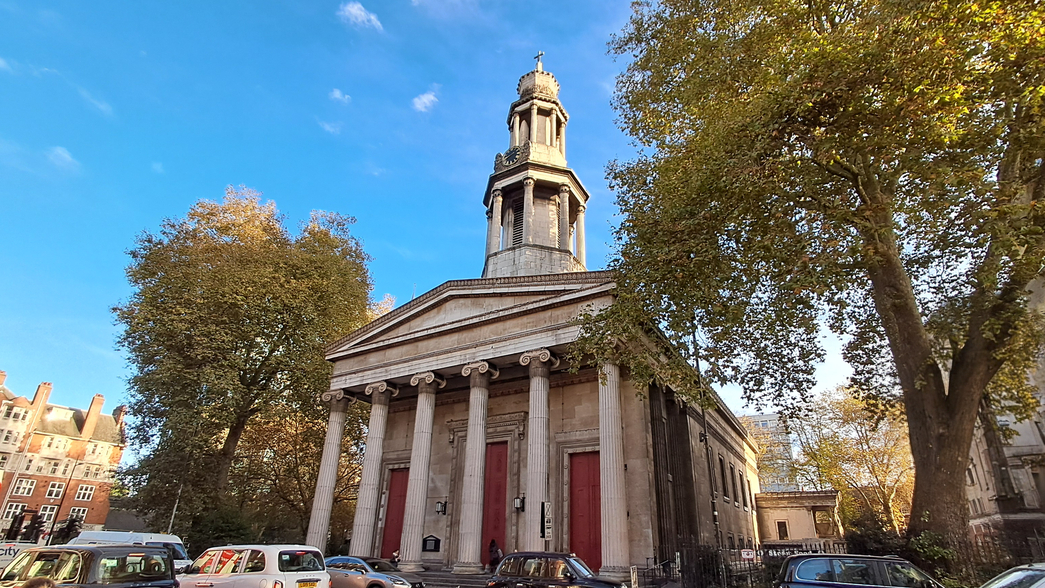
One of the most remarkable aspects of St Pancras New Church is its extraordinary architecture. Unlike many traditional English churches that follow Gothic styles, this building embraces the grandeur of ancient Greece.
The architects drew inspiration from famous classical monuments, particularly the Erechtheion on the Acropolis in Athens. This influence can be seen in the elegant columns, symmetrical layout, and decorative details found throughout the structure.
Perhaps the most famous architectural feature is the pair of caryatids located at the church entrance. These sculpted female figures serve as supporting columns and are inspired by ancient Greek designs. They immediately distinguish the church from many other religious buildings in London.
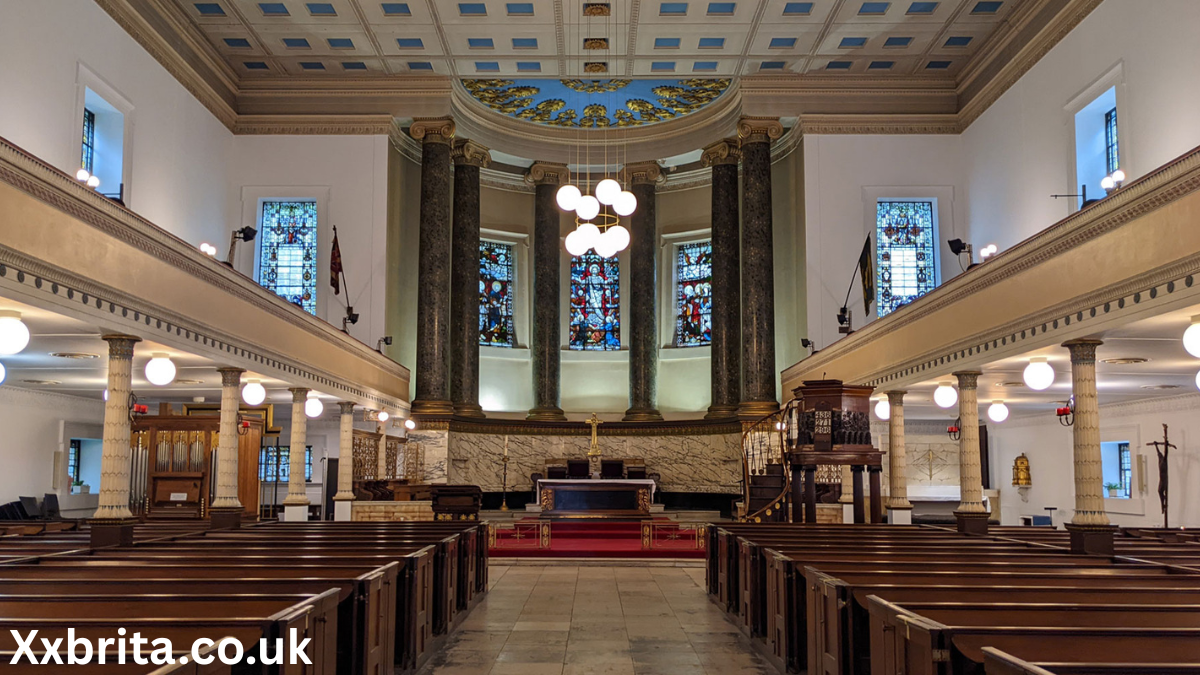
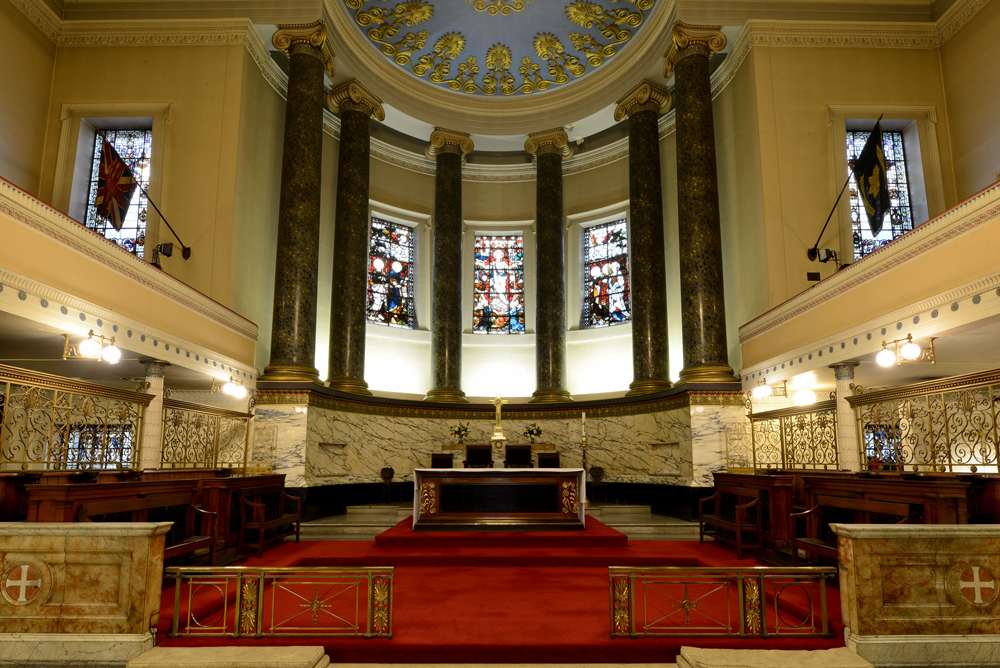
The interior is equally impressive. Visitors can admire spacious halls, beautiful stonework, intricate decorative elements, and carefully crafted details that reflect the craftsmanship of the era. The balance between grandeur and simplicity creates a welcoming atmosphere for worshippers and tourists alike.
Key Architectural Highlights
| Feature | Description |
| Greek Revival Style | Inspired by ancient Greek temples |
| Caryatid Figures | Sculpted female columns at the entrance |
| Grand Portico | Large classical entrance structure |
| Spacious Interior | Designed for large congregations |
| Historic Stonework | Original craftsmanship from the early 1800s |
Why the Church Is Important to London
The significance of St Pancras New Church extends beyond its role as a place of worship. It represents an important chapter in London’s urban and social development.
During the nineteenth century, London experienced unprecedented expansion. New neighborhoods emerged, industries flourished, and the city’s population grew dramatically. The church was constructed to meet the spiritual needs of these expanding communities.
Over the decades, it has witnessed countless historical events and social changes. Generations of Londoners have attended services, celebrated weddings, marked important milestones, and gathered during challenging times.
The church also contributes to London’s architectural heritage. Historians often regard it as one of the finest examples of Greek Revival architecture in Britain. As a result, it remains a valued landmark that attracts scholars, photographers, and tourists from around the world.
The Relationship Between the Church and the St Pancras Area
The district surrounding the church has undergone significant transformation over the years. Once a largely residential parish, the area evolved into a major transportation and cultural hub.
Nearby attractions such as St Pancras International and King’s Cross Station have contributed to the area’s global recognition. As millions of travelers pass through the district annually, many also discover the church’s historical significance.
The presence of major educational institutions, businesses, and cultural venues has further strengthened the area’s importance. Amid this constant modernization, the church remains a symbol of continuity and heritage.
Its location makes it easily accessible for visitors exploring central London. Many travelers are pleasantly surprised to encounter such an impressive historical structure in the midst of a busy urban environment.
Cultural and Community Contributions
Throughout its history, St Pancras New Church has served as more than a religious institution. It has been an active participant in community life and cultural activities.
The church regularly hosts concerts, musical performances, educational events, and charitable initiatives. Its excellent acoustics and historic atmosphere make it a popular venue for cultural gatherings.
Community outreach programs have also played an important role in the church’s mission. Various initiatives support local residents, promote social inclusion, and encourage engagement among different groups within the community.
These activities demonstrate how historic religious buildings can remain relevant in modern society. Rather than existing solely as monuments, they continue to provide meaningful services and opportunities for public engagement.
Visiting the Church Today
Visitors to St Pancras New Church can enjoy both its architectural beauty and historical significance. The church welcomes people from various backgrounds, including tourists, researchers, photographers, and worshippers.
Walking around the exterior offers an opportunity to appreciate the impressive Greek-inspired design. The grand columns, detailed sculptures, and symmetrical proportions create a striking visual impression.
Inside, visitors can experience a peaceful environment that contrasts with the busy streets outside. The historic atmosphere encourages reflection while providing insight into nineteenth-century architectural practices.
For those interested in London’s heritage, the church serves as an excellent destination that combines history, architecture, and culture in one location.
Interesting Facts About the Church
Many people are unaware of the fascinating details associated with this historic landmark. Learning these facts can enhance appreciation for its unique character.
The church’s design was considered highly unconventional when it was first completed. While Gothic architecture dominated many religious buildings, the Greek Revival style offered a bold alternative that sparked discussion among architects and critics.
Another interesting feature is the crypt beneath the church. Historically, it served as a burial space and remains an important part of the building’s heritage. These underground areas contribute to the site’s rich historical narrative.
The church’s distinctive appearance has also made it a recognizable feature in photographs, films, and architectural studies focused on London’s historic landmarks.
Preservation and Future Significance
Preserving historic buildings is essential for maintaining connections to the past. St Pancras New Church stands as a valuable example of how architectural heritage can be protected while remaining functional in contemporary society.
Ongoing conservation efforts help maintain the structure’s integrity and ensure that future generations can continue to appreciate its beauty. These projects often involve careful restoration work that respects the original design and craftsmanship.
The church’s continued use as a place of worship and community gathering demonstrates its enduring relevance. Rather than becoming merely a historical artifact, it remains an active and meaningful part of London’s cultural landscape.
As interest in heritage tourism grows, the church is likely to attract even more visitors seeking authentic historical experiences within the city.
Conclusion
St Pancras New Church is far more than an impressive architectural landmark. It represents a significant chapter in London’s history, reflecting the city’s growth, cultural evolution, and commitment to preserving its heritage. From its remarkable Greek Revival design and iconic caryatid sculptures to its ongoing role in community life, the church continues to captivate visitors from around the world.
Whether you are interested in architecture, history, religion, or culture, a visit to this historic site offers valuable insights into London’s past and present. Its enduring presence serves as a reminder that great buildings are not only structures of stone and mortar but also living connections to the stories of generations that came before us.
FAQs About St Pancras New Church
What is St Pancras New Church known for?
St Pancras New Church is best known for its striking Greek Revival architecture, historic significance, and distinctive caryatid sculptures. It is considered one of London’s most notable nineteenth-century churches.
When was St Pancras New Church built?
Construction began in 1819 and was completed in 1822. The church was created to serve the growing population of the St Pancras parish during a period of rapid urban expansion.
Who designed St Pancras New Church?
The church was designed by William Inwood and his son Henry William Inwood. Their design drew heavily from ancient Greek architectural traditions.
Can visitors enter St Pancras New Church?
Yes, visitors are generally welcome to explore the church, attend services, and participate in various cultural events held throughout the year.
Why is the architecture of St Pancras New Church unique?
Unlike many traditional English churches that follow Gothic styles, St Pancras New Church embraces Greek Revival architecture. Features such as classical columns, grand porticos, and caryatid figures make it distinctive.
Is St Pancras New Church close to major London attractions?
Yes, the church is located near major transportation hubs and popular attractions in central London, making it easy for tourists to include in their sightseeing plans.
Does St Pancras New Church still hold services?
Yes, the church continues to function as an active place of worship while also hosting community events, concerts, and cultural activities.
You May Also Read: Emma’s Diary New Family Pack: A Complete Guide for Expecting and New Parents